
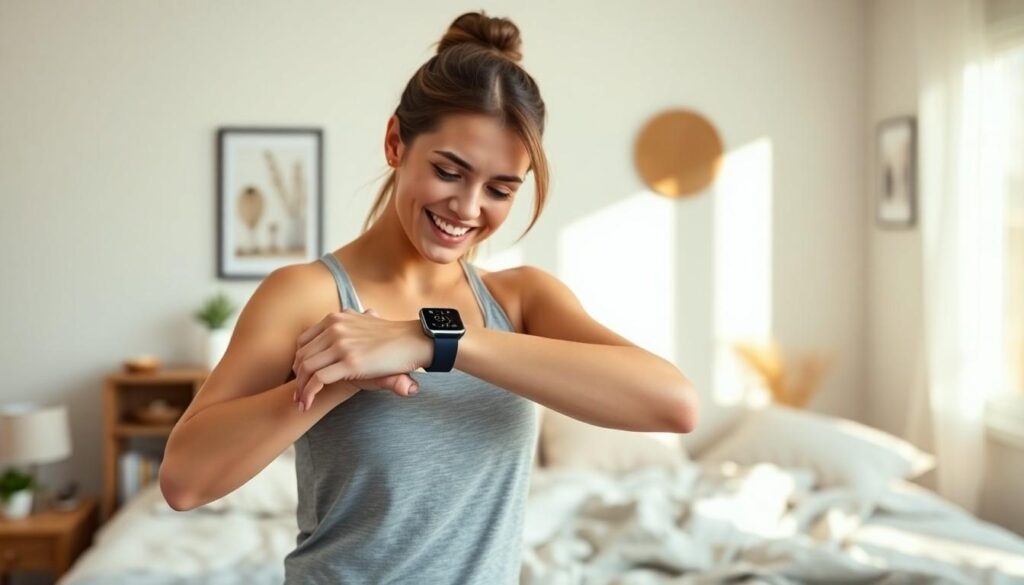
Imagine waking up feeling refreshed instead of groggy, all thanks to a little gadget strapped to your wrist. Enter the wearable alarm clock, the future of waking up without the blaring chaos of traditional alarms. Gone are the days of fumbling for that snooze button while still half-asleep. This innovative device gently nudges you awake, making mornings just a tad more bearable.
Overview of Wearable Alarm Clocks
Wearable alarm clocks offer a modern alternative to traditional alarm systems. These innovative devices enhance waking experiences by providing gentle wake-up calls without harsh sounds.
Features and Functions
Wearable alarm clocks typically include features like vibration alerts, customizable alarm tones, and sleep tracking functions. Many models sync with smartphones to provide notifications and reminders. User-friendly interfaces simplify operation, allowing users to adjust settings effortlessly. Some devices even incorporate light therapy, gradually illuminating a user’s surroundings. This gradual awakening mimics natural sunlight and promotes a smoother transition from sleep to wakefulness.
Benefits of Using Wearable Alarm Clocks
Using wearable alarm clocks can lead to improved sleep quality. Gentle vibrating alerts minimize morning grogginess, making for a more refreshing start to the day. They are convenient, eliminating the need for bedside clutter. Wearable designs enable users to take their alarms anywhere, ideal for travel or outdoor activities. Enhanced features, like sleep analysis, promote better understanding of sleep patterns. Such insights can aid in developing healthier sleep habits over time.
Popular Wearable Alarm Clock Models
Several popular models dominate the wearable alarm clock market, each offering unique features and benefits. Users value choices that enhance their waking experience and fit their lifestyles.
Model Comparisons
Fitbit Inspire 3 stands out for its fitness tracking and sleep analysis. Users appreciate the gentle vibration alarm, making it a favorite for morning routines. The Philips Wake-Up Light Alarm Clock focuses on light therapy, simulating a sunrise for a gradual waking experience. Many find this model effective for improving mood upon waking. Garmin Vivosmart 4 offers sleep tracking alongside smart notifications, catering to those wanting a multifunctional device. Each of these options comes equipped with distinctive features, appealing to various user preferences.
User Reviews and Ratings
Customer feedback showcases high satisfaction with these wearable alarm clock models. Fitbit Inspire 3 receives praise for comfort and ease of use, often highlighted in reviews. Users frequently note its accuracy in tracking sleep patterns and responsive alarms. Philips Wake-Up Light earns accolades for its effectiveness in promoting smoother wake-up transitions, with many users recommending it for light-sensitive individuals. Garmin Vivosmart 4 consistently ranks highly, particularly for its user-friendly interface and long battery life. Overall, positive ratings underscore the effectiveness and convenience of these gadgets in improving morning routines.
Technology Behind Wearable Alarm Clocks
Wearable alarm clocks utilize advanced technology to provide seamless waking experiences. Several key components contribute to their effectiveness.
Sensor Technology
Sensor technology plays a crucial role in wearable alarm clocks. Motion sensors detect sleep patterns, enabling devices to identify optimal wake times. Accelerometers measure body movements, facilitating accurate tracking of sleep quality. This data helps users understand their sleep cycles better. Additionally, heart rate monitors gauge physiological responses during sleep, offering insights into overall restfulness. Such technology ensures alarms activate during lighter sleep stages, minimizing grogginess and resulting in a more refreshing awakening.
Connectivity and Integration
Connectivity enhances the functionality of wearable alarm clocks. Bluetooth capabilities enable these devices to sync with smartphones. Through mobile apps, users can manage settings and customize alarm tones. Notifications from the smartphone can also be sent to the wearable, ensuring users don’t miss important alerts. Integration with smart home systems allows alarms to control lighting, simulating a natural sunrise. This interconnectedness promotes a comprehensive approach to sleep management. The combination of technology and connectivity empowers users to optimize their waking experiences effectively.
Tips for Choosing the Right Wearable Alarm Clock
Selecting a wearable alarm clock involves various factors. Finding one that matches lifestyle needs can enhance the waking experience significantly.
Considerations for Different Lifestyles
Active individuals benefit from alarm clocks featuring fitness tracking and durable designs. Those with busy schedules might prefer models that sync with smartphones for notifications. Travelers should seek lightweight, portable options that won’t add bulk. Additionally, individuals who favor minimalism may opt for sleek designs without excessive features. Overall, aligning the alarm clock’s functions with daily routines ensures optimal usability.
Budget and Price Range
Prices for wearable alarm clocks vary significantly based on features and brands. Basic models start around $30, providing essential functions. Mid-range options, priced between $50 and $100, often include additional functionalities like sleep tracking and customizable alarms. Premium devices can exceed $150, offering advanced features such as light therapy and comprehensive sleep analysis. Evaluating budget requirements while considering desired features aids in making an informed choice.
Wearable alarm clocks present a modern solution for enhancing the waking experience. By combining gentle wake-up methods with advanced technology, they cater to various lifestyles and preferences. Users enjoy improved sleep quality and a more refreshing start to the day without the harshness of traditional alarms.
With features like sleep tracking and smartphone integration, these devices empower individuals to manage their sleep patterns effectively. Whether it’s for fitness tracking, light therapy, or simple convenience, there’s a wearable alarm clock to fit every need. As they continue to evolve, these gadgets promise to revolutionize morning routines and promote healthier sleep habits.


