

In a world where technology evolves faster than a cat meme goes viral, defense startups are stepping up to the plate, ready to revolutionize national security. These innovative companies are like the superheroes of the defense industry, armed with cutting-edge tech and fresh ideas that could make even the most seasoned military strategist raise an eyebrow. From drones that can outsmart a squirrel to AI systems that predict threats like a psychic octopus, the future of defense is looking brighter—and funnier—than ever.
Overview of Defense Startups
Defense startups play a crucial role in reshaping national security by leveraging innovative technologies. These companies introduce advanced solutions like intelligent drones and AI systems that enhance threat assessment and response capabilities. The shift in focus toward technology-driven strategies often challenges traditional military paradigms.
Growth in the defense startup sector has accelerated in recent years, as more entrepreneurs recognize the potential of applying civilian innovations to defense needs. Investors increasingly support these ventures, driven by the promise of advanced security technologies.
Focused on areas like cybersecurity, robotics, and data analytics, defense startups provide diverse offerings. Cybersecurity firms, for example, develop software to protect military networks from cyber threats. Robotics companies create autonomous vehicles capable of performing reconnaissance and logistic tasks, thereby improving operational efficiency.
Furthermore, AI-driven systems analyze vast amounts of data to predict emerging threats, enabling proactive measures instead of reactive. Each startup contributes uniquely to strengthening security frameworks, often collaborating with government agencies and larger defense contractors.
Government initiatives also support these startups, offering grants and funding programs to encourage innovation. In turn, enhanced collaboration fosters a more agile and responsive defense ecosystem. As these companies gain traction, traditional defense mechanisms must adapt, integrating fresh ideas to address contemporary security challenges.
Emerging trends within the industry reflect a commitment to sustainability, with many startups exploring green technologies for military applications. These efforts promote an eco-friendly approach while maintaining national security standards. Overall, the landscape of defense startups presents exciting opportunities for innovation and growth in securing nations against evolving threats.
Key Trends in the Defense Startup Landscape
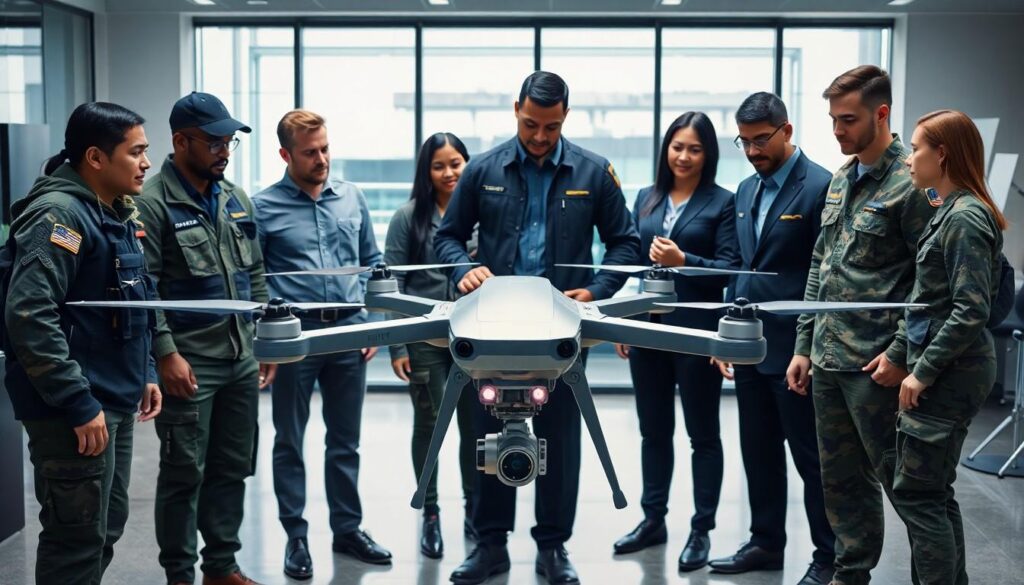
Defense startups are shaping the future of security through innovation and agility. These companies continually adapt to address emerging threats and technological advancements.
Innovation in Technology
Startups prioritize technological innovation in defense. Intelligent drones enhance surveillance capabilities and provide real-time data for strategic decisions. AI systems develop predictive analytics, enabling early threat detection. Robotics improve operational efficiency, especially in high-risk environments. Advanced cybersecurity measures protect critical military infrastructure from hacking attempts. New software solutions streamline communication between defense agencies, fostering collaboration. Startups focus on developing cost-effective technologies that enhance national security, bridging gaps in traditional defense methods.
Adapting to Global Security Challenges
Global security challenges drive the evolution of defense startups. Entrepreneurs analyze geopolitical developments to create targeted solutions. Rapid advancements in technology allow startups to respond swiftly to new threats. These companies design adaptable systems to counter cyber warfare and unconventional military tactics. Partnerships with government agencies and larger contractors strengthen resilience against evolving security issues. Increased funding through government initiatives equips startups to innovate continuously. As the landscape changes, flexibility and responsiveness become essential for effective national defense strategies.
Notable Defense Startups to Watch
The defense startup sector features companies poised to innovate security solutions and enhance national defense. These businesses provide groundbreaking technologies, reshaping how military operations are conducted.
Startup 1: Company Overview and Solutions
Anduril Industries specializes in developing advanced defense technologies, particularly in unmanned aerial vehicles. Their flagship product, the Ghost drones, integrates AI to improve situational awareness and streamline reconnaissance missions. These drones provide real-time data that enhances operational effectiveness across various environments. Anduril also focuses on border security systems that utilize autonomous sensors to detect breaches and alert personnel instantly. Their technology underscores a commitment to harnessing AI for more responsive and effective defense strategies.
Startup 2: Unique Contributions to Defense
Palantir Technologies has built a reputation for utilizing big data analytics in defense applications. The company’s software platforms analyze large datasets to provide military users with actionable intelligence. In addition, their systems support decision-making processes through real-time data integration and visualization. By enhancing collaboration among intelligence agencies and military organizations, Palantir facilitates swifter responses to emerging threats. Their contributions illustrate how data-driven solutions are transforming traditional defense paradigms, ensuring a proactive approach toward security challenges in a rapidly changing landscape.
Funding and Investment Insights
The defense startup sector experiences significant investment activity, with multiple sources fueling its growth and innovation.
Venture Capital Interest in Defense
Venture capitalists increasingly recognize the potential of defense startups. These investors scrutinize specific areas like AI, cybersecurity, and robotics, finding promising opportunities to back. In 2022, defense startups raised over $4 billion in venture capital, indicating robust interest. Significant funding rounds went to firms like Anduril Industries and Palantir Technologies, showcasing investor confidence in transformative technologies. Enhanced collaboration with traditional defense contractors further attracts capital, as investors seek companies that bring fresh perspectives to national security challenges. Evidence indicates that startups providing innovative solutions continuously capture attention across the venture capital landscape.
Government Grants and Support
Government initiatives serve as vital support for emerging defense startups. Various programs, including the Small Business Innovation Research (SBIR), provide grants that facilitate research and development efforts. In recent years, the U.S. government allocated over $1 billion to promote innovation in defense technology through these programs. Partnerships with military agencies also enhance funding opportunities, allowing startups to leverage resources for developing their solutions. Initiatives focusing on dual-use technologies reflect a commitment to fostering an ecosystem that encourages innovation while maintaining national security. Increased collaboration between startups and government entities strengthens the defense landscape, positioning these companies to navigate competitive challenges effectively.
Challenges Facing Defense Startups
Defense startups encounter various challenges that hinder their growth and innovation capabilities. Navigating regulatory and compliance hurdles proves complex in this highly scrutinized industry.
Regulatory and Compliance Hurdles
Compliance with government regulations poses significant challenges for defense startups. Each startup must navigate a complex web of federal standards, including the International Traffic in Arms Regulations (ITAR) and the Federal Acquisition Regulation (FAR). Understanding these regulations requires substantial legal expertise and slows down product development timelines. Additionally, securing necessary certifications can delay market entry and increase costs. Startups often lack the resources to manage these compliance demands effectively. For entrepreneurs, maintaining alignment with shifting regulations further complicates efforts to innovate rapidly in a competitive landscape.
Market Competition and Sustainability
Market competition intensifies as numerous defense startups emerge, eager to secure government contracts. Many established defense contractors dominate this space, presenting barriers for new entrants. Establishing partnerships with larger companies can enhance credibility but may also require compromises on innovation. Additionally, the push for sustainable technologies puts pressure on startups to develop eco-friendly solutions that meet environmental standards. Securing funding for these initiatives proves challenging. Startups must balance innovation with financial viability to remain competitive. Understanding market trends and customer needs remains critical for success in this dynamic environment.
The rise of defense startups marks a transformative shift in national security. These innovative companies are not just introducing advanced technologies but are also redefining how defense strategies are developed and executed. With a focus on AI-driven solutions and sustainable practices, they’re addressing complex security challenges head-on.
As investment continues to flow into this sector, the collaboration between startups and government entities strengthens the defense ecosystem. Despite the hurdles they face, such as regulatory compliance and market competition, the potential for growth and innovation remains significant. The future of defense is bright, driven by the creativity and resilience of these pioneering startups.


